








|
Quantity
|
Out of stock
|
||
|
|
|||
|
|
|||
Studio microphones for professional and home recording
A studio microphone is a key part of a recording setup. It converts a voice or musical instrument into an audio signal for recording, editing, processing and mixing. The right choice depends on the sound source, room acoustics, connection type and the tonal character required for the project.
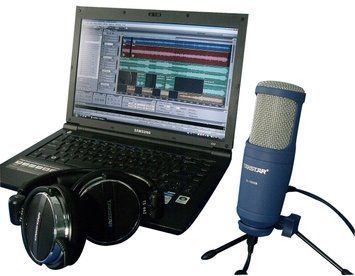
The Studio Microphones category at CLUBTECH includes options for home recording, personal and professional studios, podcast production, video voiceovers and instrument recording. Different microphone types and connection formats help users build a setup for their workflow, from a first home recording kit to an upgrade for an established studio.
Common studio microphone applications
Vocal recording. A studio microphone captures the tone, articulation and expressive details of a vocal performance. Large-diaphragm condenser microphones are commonly considered for studio vocals, but the final choice should account for the singer’s voice, musical style and room acoustics. A pop filter, microphone stand and control of room reflections can help create a cleaner, more consistent recording.
Musical instrument recording. Microphones for acoustic guitar, piano, strings, brass, woodwinds and other instruments are selected according to frequency response, sensitivity, polar pattern and placement. Condenser models are often used when detail and transient response are important, while dynamic microphones can be suitable for high sound-pressure sources such as guitar amplifiers and individual drums. Having different microphone types available can give a studio more options for different recording sessions.
Podcasts, interviews and spoken-word content. Speech recording benefits from clear vocal capture, consistent microphone distance and control of room noise. Dynamic microphones can be a practical option in untreated rooms, while USB microphones offer a straightforward connection to a computer. For multi-person recordings, plan for a separate microphone for each speaker and enough audio-interface inputs.
Video voiceovers, narration and educational content. Studio microphones are used to record narration for videos, audiobooks, presentations, online courses and promotional content. Choosing the right polar pattern and sensitivity for the room, and maintaining a stable recording level, can help reduce unwanted background noise.
Home studios and music production. A home recording setup may use a compact USB microphone or an XLR microphone connected to an audio interface. USB can simplify a basic workstation by reducing the number of separate devices. XLR systems allow users to select and upgrade individual parts of the recording chain, including the preamp, interface or mixer. Check compatibility with existing equipment and software before choosing a model.
Education, creative spaces and small production teams. Studio microphones can support audio-production lessons, student music projects, narration recording and multimedia creation. Planning the main use cases in advance makes it easier to select microphones, stands, cables and interfaces as a coordinated system.
Main types of studio microphones
Condenser microphones. Often valued for their sensitivity and detailed capture of vocals and acoustic instruments. Many XLR condenser models require phantom power, commonly 48V, so check the microphone documentation and the power capabilities of the audio interface before connecting.
Dynamic microphones. Often feature a robust design and can handle loud sound sources. They are used for vocals, speech, guitar amplifiers and drums, and can also be a practical choice in home rooms where reducing some ambient pickup is useful. The result depends on the specific model, polar pattern and recording technique.
Ribbon microphones. Often selected for their distinctive, smooth tonal character when recording sources such as vocals, brass or guitar amplifiers. They require careful handling, and users should follow the manufacturer’s instructions for connection and power.
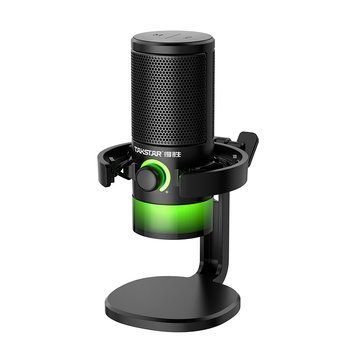
USB microphones. Connect digitally to a computer and can be convenient for podcasts, streaming, remote audio work and home recording. Before buying, check operating-system compatibility, USB connector type and included accessories.
XLR microphones. Connect to a compatible audio interface, mixer or preamp. XLR is common in studio systems because it allows users to select individual components of the recording chain and expand the setup as requirements change.
How to choose a studio microphone
When choosing a studio microphone, consider:
- Sound source: vocals, speech, acoustic or electric instruments, drums or an ensemble.
- Transducer type: condenser, dynamic or ribbon, according to the source and desired sound.
- Polar pattern: cardioid, omnidirectional, bidirectional or another pattern supported by the model.
- Connection: USB or XLR, and compatibility with the computer, audio interface or mixer.
- Power requirements: check whether phantom power is required and whether the connected equipment supports it.
- Room acoustics: sensitive microphones can capture room reflections and background noise as well as the intended source.
- Accessories: depending on the setup, consider a stand, shock mount, pop filter, windscreen, cable and monitoring headphones.
There is no single microphone that is equally suitable for every voice, instrument and room. A suitable choice depends on the microphone’s specifications, recording conditions and the purpose of the project.
Studio microphones in Ukraine — wholesale and retail from CLUBTECH
CLUBTECH is a direct importer of Takstar products in Ukraine. Our category includes studio microphones and recording solutions for different workflows. We offer wholesale and retail sales and welcome new customers, recording studios, sound engineers, installers and companies equipping creative spaces and educational facilities.
We invite companies and entrepreneurs involved in recording-studio development, equipment supply and installation to discuss special advantageous cooperation terms. Our team can help select microphones and compatible components according to project requirements and existing equipment.
Contact CLUBTECH — we look forward to welcoming new customers and building long-term partnerships.